Ghana: GRA records a 28.6% increase in customs revenue thanks to AI
Ghana’s bold embrace of artificial intelligence is rewriting the rules of customs administration. With a new AI‑driven system, the Ghana Revenue Authority has lifted monthly revenues by nearly 30%, proving that digital innovation—not higher taxes—is the engine of fiscal transformation.
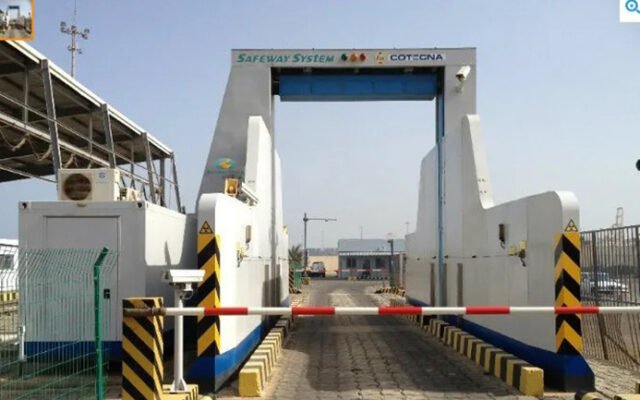
Artificial intelligence is increasingly asserting itself as an essential tool for business competitiveness. In Africa, Ghana is emerging as the most illustrative example. Since April, the Ghana Revenue Authority (GRA) operates with a new system designed to improve the assessment and classification of imported goods. Powered by artificial intelligence, this system is used by the GRA to more accurately determine the value and classification of products entering Ghanaian territory.
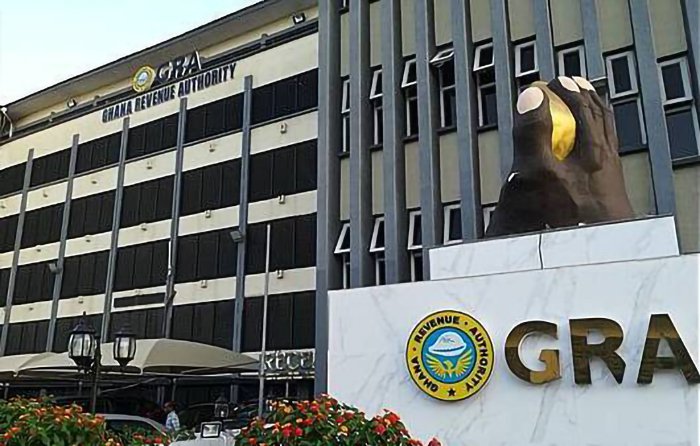
During the 8th Forum of Tax Administrators of West Africa, held in Ghana from September 15 to 19, Anthony Kwasi Sarpong, Commissioner General of the Ghana Revenue Authority, made striking revelations. Monthly revenues in Ghana have increased by 28.57%, rising from USD 350 million to nearly USD 450 million. He further noted that customs revenues now show an increase of about USD 100 million per month.
The GRA presents this growth as the result of administrative and technological reform rather than an increase in tax pressure. Anthony Kwasi Sarpong emphasized that the gains recorded are not linked to the introduction of new taxes or higher rates.
« No new taxes, no higher rates », he explained, highlighting instead the more precise application of tax rules through digital tools and strengthened administrative procedures. The reform aims to reduce discrepancies that may arise during the evaluation of imported goods and to ensure a more consistent application of duties and taxes owed to the State.
The introduction of AI into customs operations is part of a broader modernization program at the GRA. The tax administration is also deploying an integrated system designed to consolidate taxpayer data previously spread across multiple platforms. The automation of certain tax procedures, particularly in VAT collection, is also part of this transformation.