Cameroon : Customs and Kribi Port Join Forces to Revive Export Flows
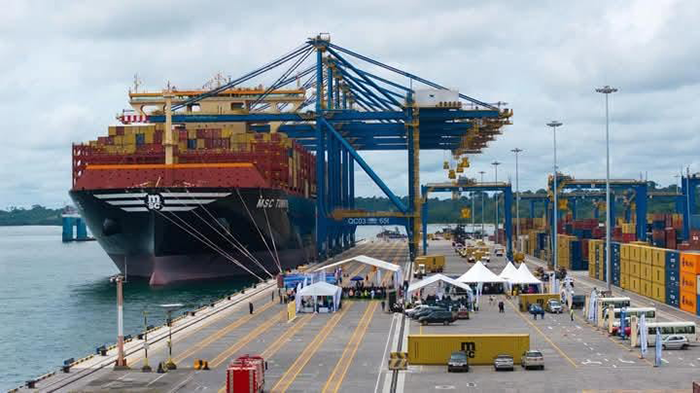
After nearly three years of fluctuating export volumes, Cameroon’s customs authorities and the Port of Kribi have launched a strategic plan aimed at removing a key bottleneck that has hampered the country’s export performance. Major economic players operating in the hinterland, including agro-industrial giant HEVECAM and ACCC, have seen their export volumes decline in recent years as administrative hurdles complicated access to international markets.
At the heart of the problem lies the absence of a fully digitalized shipping authorization process linking CAMCIS, Cameroon’s customs information system, with the Port Information System (SIP). Industry stakeholders say the lack of interoperability between the two platforms has slowed cargo processing and contributed to a drop in export traffic through the deep-sea port.
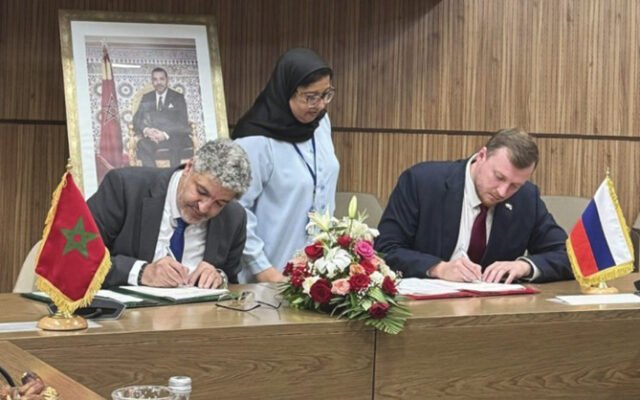
In response, the Directorate General of Customs (DGD) and the Port Authority of Kribi (PAK) signed a strategic partnership agreement on October 12 to streamline export procedures and restore trade flows. The agreement was signed by Customs Director General Fongod Edwin Nuvaga and PAK Managing Director Patrice Melom.
Under the deal, the two institutions will immediately implement a transitional mechanism designed to facilitate direct cargo loading while ensuring operational security and regulatory compliance.
Officials have agreed on a 10-to-15-day roadmap that includes the establishment of a joint working group bringing together Customs, PAK and Kribi Container Terminal (KCT) representatives. The group will be tasked with drafting and formalizing the operational procedures governing the new system.
Path Toward Full Digital Integration
According to the DGD, the short-term objective is the issuance of a sectoral service note to provide a legal framework for the interim arrangement. In the medium term, authorities aim to complete the full interconnection between CAMCIS and the SIP, paving the way for the complete automation of direct shipment requests.
The stakes are significant. The South II Customs Sector, which covers the Port of Kribi, is Cameroon’s second-largest customs revenue contributor after the Littoral I sector. It generated more than CFA 335 billion in customs revenue in 2025 and has mobilized over CFA 1 trillion since the port entered commercial operations.
By reducing clearance times and simplifying export procedures, the Customs-PAK partnership is expected to improve the competitiveness of the Kribi platform and strengthen investor confidence. For the Port of Kribi, the initiative represents another step toward its long-term ambition : becoming the leading logistics and maritime hub in the Gulf of Guinea.